
Unveiling common myths about casino gambling
Understanding Casino Odds
One of the most pervasive myths concerning casino gambling is the belief that players can beat the odds through skill alone. Many patrons think that by applying certain strategies or tricks, they can increase their chances of winning. However, it’s important to understand that most casino games, especially table games like roulette and slots, operate on a mathematical formula that ensures the house always has an edge, which is why many people turn to betting options that may offer different experiences. Consequently, while skill can improve a player’s performance in games like poker, it does not guarantee success across the board.
Another common misconception is the idea that casinos manipulate their machines or games to favor certain players. In reality, gambling establishments are heavily regulated, and gaming machines must adhere to strict standards that dictate how odds are set and payouts are structured. This ensures fairness and transparency, which is essential for maintaining a trustworthy gaming environment. Therefore, while some players may luck out, others will inevitably lose, but this is an inherent aspect of how games are designed.
Additionally, many gamblers may think that recent losses will somehow influence future outcomes, leading to the “gambler’s fallacy.” This belief suggests that if a certain event occurs frequently, it is less likely to happen in the future, or vice versa. For example, if a slot machine hasn’t paid out in a while, one might believe it is “due” for a win. However, each spin is independent, and past results have no bearing on future outcomes, emphasizing the importance of understanding the random nature of casino games.
Beliefs Around Casino Strategy
The myth that a foolproof strategy exists paints an unrealistic picture for potential gamblers. Many players are drawn to the allure of strategies purported to guarantee wins. Although strategy can play a significant role in games like blackjack, this does not translate to an automatic win. A strategic approach can indeed improve a player’s odds; however, the randomness of card shuffling and the inherent house advantage means that no method can assure success every time.
Many also think that playing at certain times or days can influence the likelihood of winning. This belief leads some players to congregate at casinos during peak hours, thinking they’ll better their chances among a crowded atmosphere. Nevertheless, the random number generators (RNGs) and programming behind digital games function independently of time, assuring that results are always random, regardless of when you play. Such misconceptions can lead to wasted time and resources as players chase false strategies.
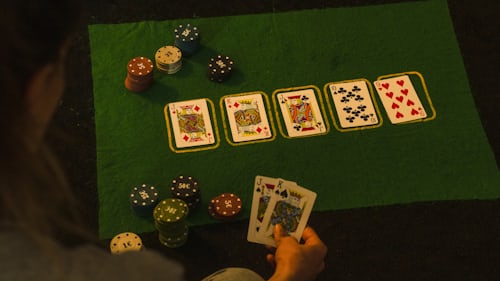
Moreover, players often overlook the importance of bankroll management, focusing instead on luck or strategy alone. Proper management involves setting limits on how much one is willing to spend and sticking to it. This aspect is one of the key elements that can positively impact a gambling experience, regardless of the outcome. Unfortunately, many gamblers ignore this principle, leading them to chase losses and make irrational decisions, which can ultimately detract from enjoyment.
The Allure of Winning Systems
The notion that there exists a “system” for winning consistently at casinos often attracts players. Many claim to have discovered the ultimate strategy to overcome the house edge. However, it’s essential to recognize that casinos operate based on statistical probabilities, which makes beating the system inherently difficult if not impossible. While certain strategies may enhance gameplay experience or increase the chances of winning in short bursts, they cannot guarantee long-term success.
Furthermore, paid gambling systems that promise guaranteed returns are often more about marketing than reality. These schemes may appeal to individuals hopeful for easy wealth, yet the majority of players following such programs tend to experience losses rather than gains. Understanding that gambling should be viewed as entertainment rather than a reliable source of income is crucial. This recognition can help instill a healthier relationship with gambling, steering clear of false hopes.
The myth that using a “hot” or “cold” machine can lead to wins is another misconception prevalent among players. Many believe that machines which have recently paid out are less likely to do so again soon, or vice versa. However, each spin on a slot machine is an independent event, governed by an RNG. Thus, players cannot predict the outcome or establish a pattern based on previous results, underscoring the importance of recognizing randomness in gambling.
Misconceptions About the Casino Environment
Another common myth is the belief that casinos are designed to keep players playing longer than intended. While it’s true that casinos employ various design elements to create an engaging atmosphere, the idea that they are intentionally manipulating time perception is often exaggerated. The absence of clocks and the use of ambient sounds are aimed at enhancing the experience, rather than ensnaring unwitting players into extended gambling sessions.

Moreover, many people equate a visit to a casino with high-stakes gambling, believing that one must gamble substantial amounts to enjoy the experience. This perception is misleading. Many casinos offer a range of gaming options, from low-stakes tables to high-limit areas, thus catering to all budgets. Players can enjoy the casino atmosphere and engage in gaming at their own comfort level without feeling pressured to spend beyond their means.
Lastly, the stereotype of the “typical gambler” is often overly dramatized. Many believe that gamblers are solely individuals seeking to escape financial difficulties or issues. Yet, the reality is that a vast number of people gamble recreationally, treating it as a fun form of entertainment rather than a means to financial freedom. Recognizing this diversity can help combat the stigma surrounding gambling and promote a more balanced understanding of it as an enjoyable leisure activity.
Final Thoughts on Casino Gambling
In conclusion, it’s essential to address the various myths surrounding casino gambling to provide a clearer perspective for both seasoned players and newcomers. Many misconceptions stem from a lack of understanding of how games function and the mathematical principles that underpin them. By debunking these myths, players can approach casino gaming with a more informed mindset, making for a more enjoyable and responsible experience.
Moreover, understanding the realities of gambling can help players enjoy their time at casinos without falling into the traps of misinformation and unrealistic expectations. By focusing on responsible gambling practices, such as setting limits and viewing the activity as entertainment, individuals can enhance their overall experience while minimizing risks associated with gambling.
For those seeking more information on casino gambling, finding reputable sources that provide insights into games, strategies, and responsible gambling practices is crucial. Engaging with informative websites can foster a better understanding of the casino environment, leading to a more rewarding and enjoyable gambling experience overall.
